
Shenzhen · Industrial ecosystem
Shenzhen’s robotics ecosystem: how the supply chain works together
A new gripper changes more than the mechanics. Sensing, control, data and manufacturing must adapt too. Shenzhen is relevant because many of these tasks can be examined within the same industrial setting.
Speed comes from coordination
GTAI identifies the Greater Bay Area as a major Chinese robotics region, highlighting electronics supply chains and rapid prototyping. Shenzhen belongs to that wider setting, alongside Guangzhou, Foshan and Dongguan.
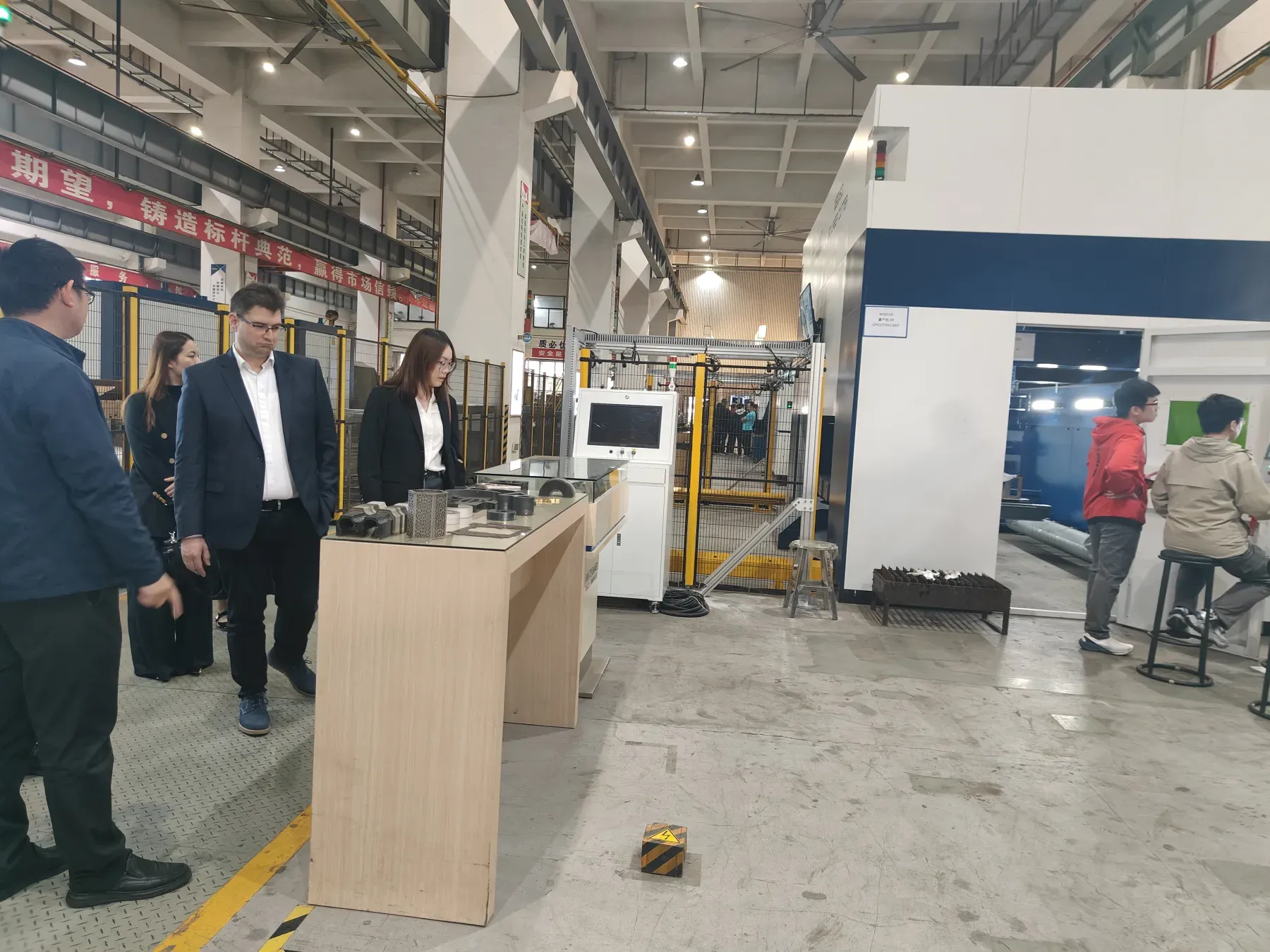
A product change is therefore a useful subject for a technical visit: who modifies the design, who supplies a sample and how does the test result feed into the next version? This reveals how coordination works in practice.
Sources for this section: [1]
Four roles in one development process
A visit can be organised around components, the robot system, training and deployment. The diagram shows those relationships. It is not a list of confirmed hosts or verified supply contracts.
How development connects to deployment
The stages show typical development tasks. Specific supply relationships need to be verified individually.
Electronics manufacturing
Circuit boards, controls, sensing and industry-grade production processes.
Prototyping
Rapid iteration across mechanical, electronic and software designs.
Components
Drives, joints, hands, perception and power systems.
Robotics systems
Humanoid and mobile platforms with different levels of integration.
Data & training
Simulation, teleoperation, data capture and application tests.
Applications
Industry, logistics, service and other clearly defined use cases.
Follow one concrete change through the supply chain
Consider a discussion about adapting a gripper to handle a different component. The component supplier addresses force, geometry and sensing. The system supplier adds motion and control. The application team must demonstrate reliability. This is an illustrative assessment method, not a documented project.
At each stage, ask about handovers: specifications, samples, test data and approvals. Failed adaptations can be particularly informative. What feedback came from the user, and who had to rework the solution?
Include ongoing operation in the assessment
Short development loops do not settle every operational question. A potential partnership also needs to address spares, documentation, version changes and technical support. Clarify which work can be delivered locally and which remains with the manufacturer in China.
The sample three-day Shenzhen programme connects industry organisations, system and component expertise, research and dialogue. Specific visits are coordinated according to the topic and availability.
Sources
Publication dates and original sources. Company disclosures are not independent performance evidence.
- Germany Trade & Invest · How China integrates AI into industrial robotics ↗Original language: German